Le stéréoscope
J’ai toujours été attiré par les vieilles photographies, sans bien m’expliquer cette fascination. Mais peut-être est-il inutile que je m’explique ; peut-être comprenez-vous fort bien ce que je sous-entends. Je veux parler de l’émerveillement qu’on ressent en contemplant ces vêtements surannés, ces perspectives disparues. En songeant que tout cela a jadis existé. Que ces visages, ces objets perdus ont réellement renvoyé la lumière vers la plaque sensible. Que ces gens ont réellement existé, qu’ils ont souri pour de vrai à l’appareil photo. On aurait pu faire irruption au milieu de la scène, toucher ces gens, leur adresser la parole. On aurait pu pénétrer dans tel ou tel bâtiment étrange et démodé, et voir ce qu’on ne pourra plus jamais voir : ce qui se trouve juste derrière la porte.
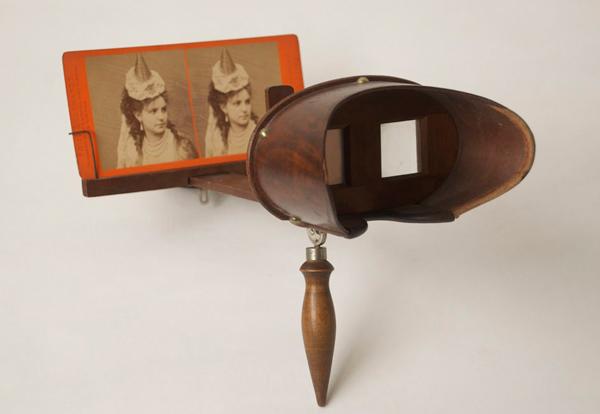
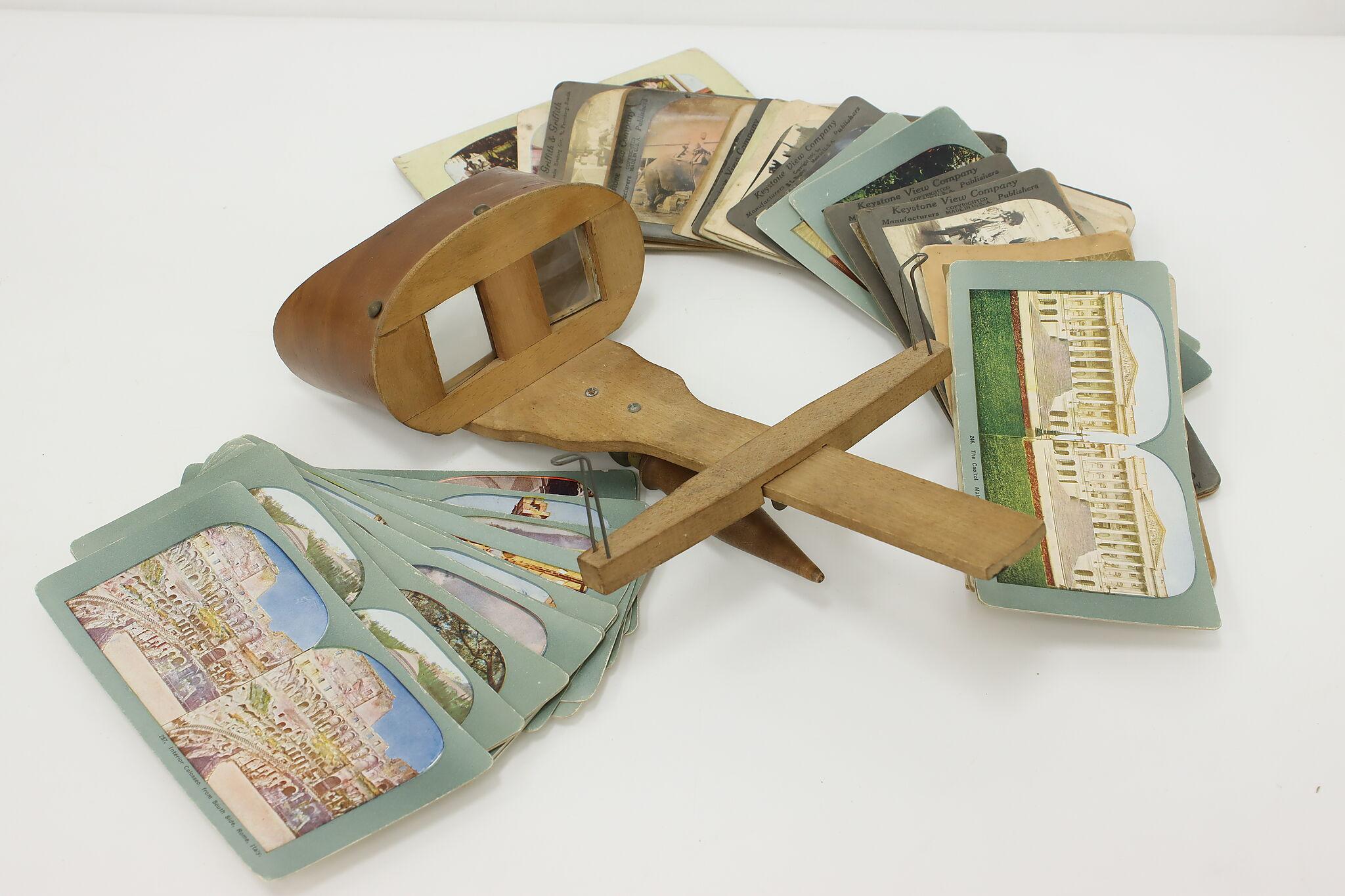
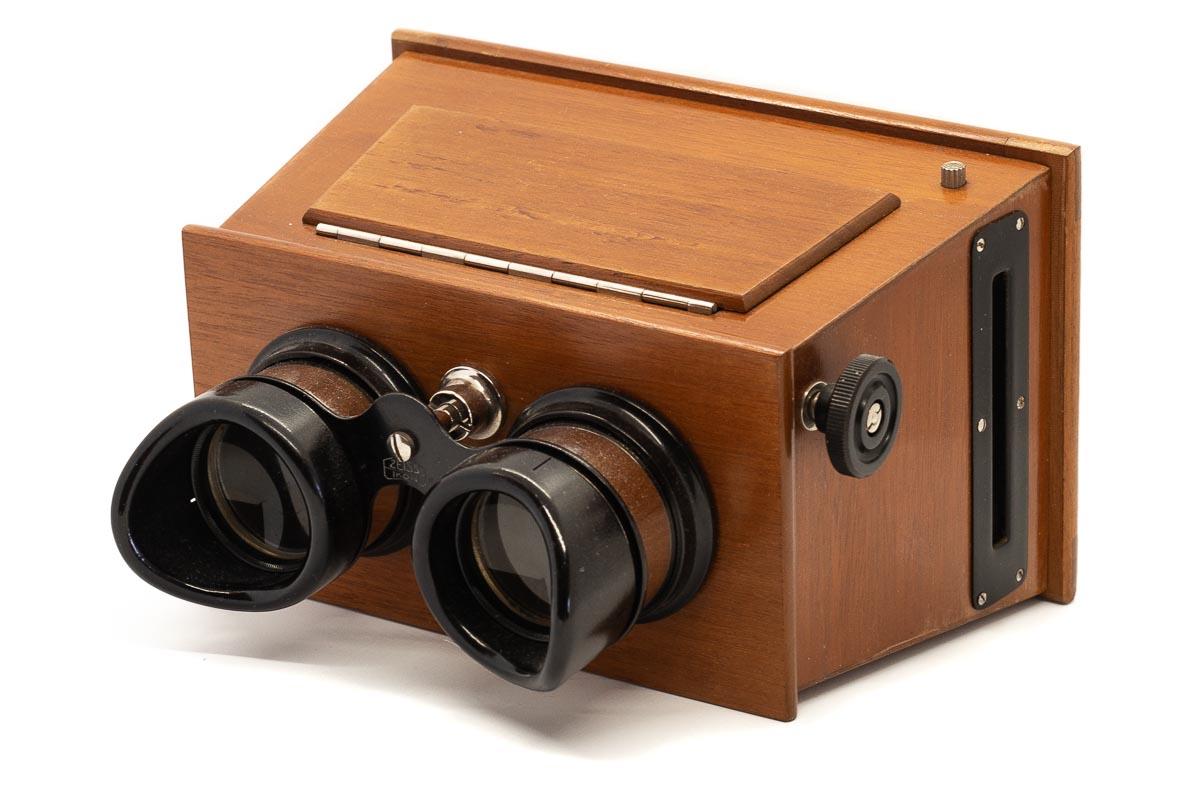
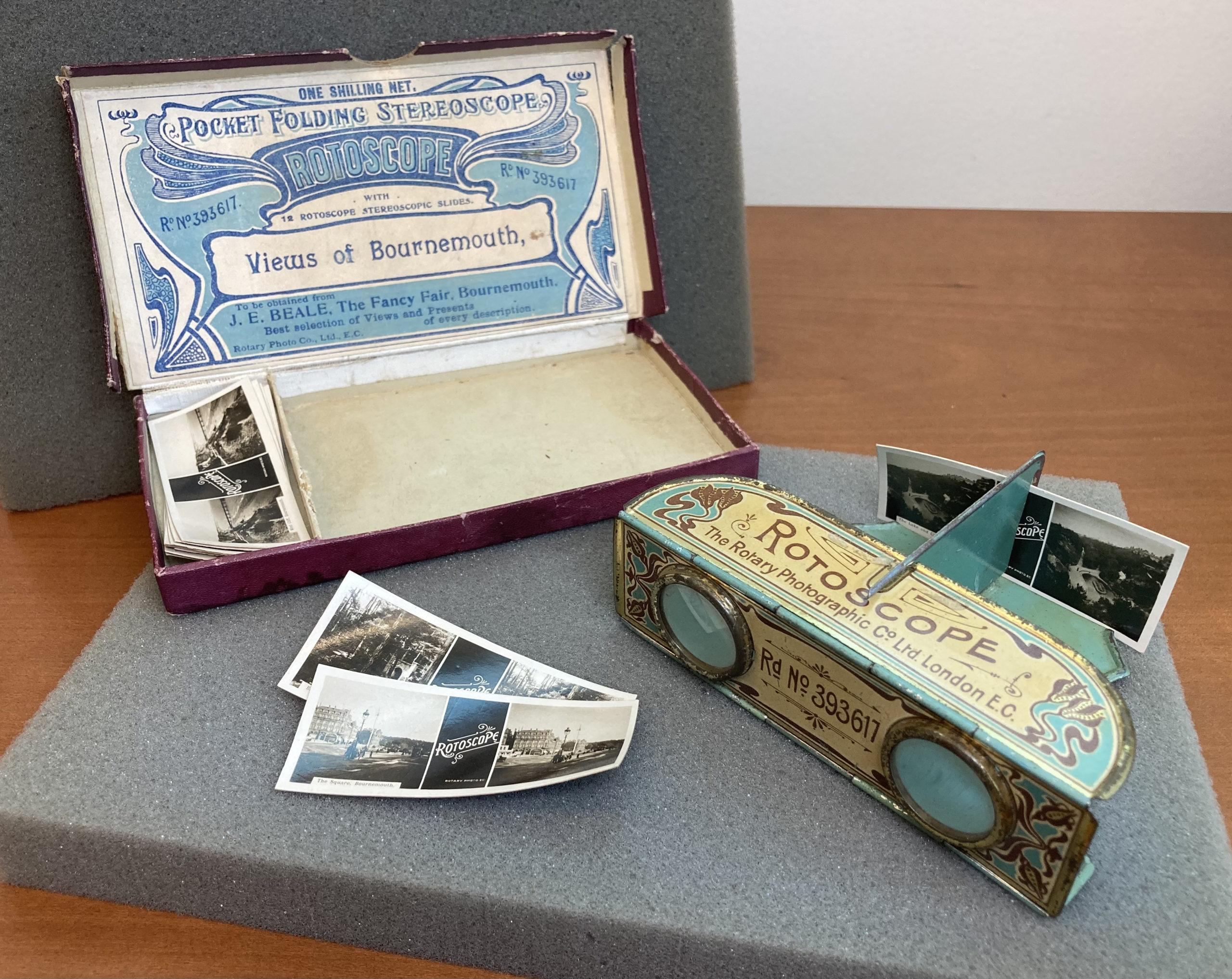
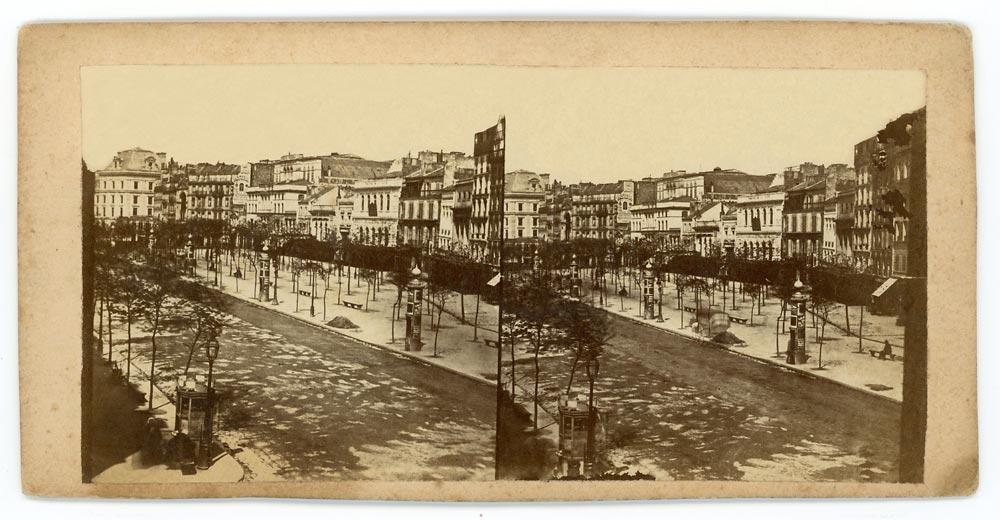
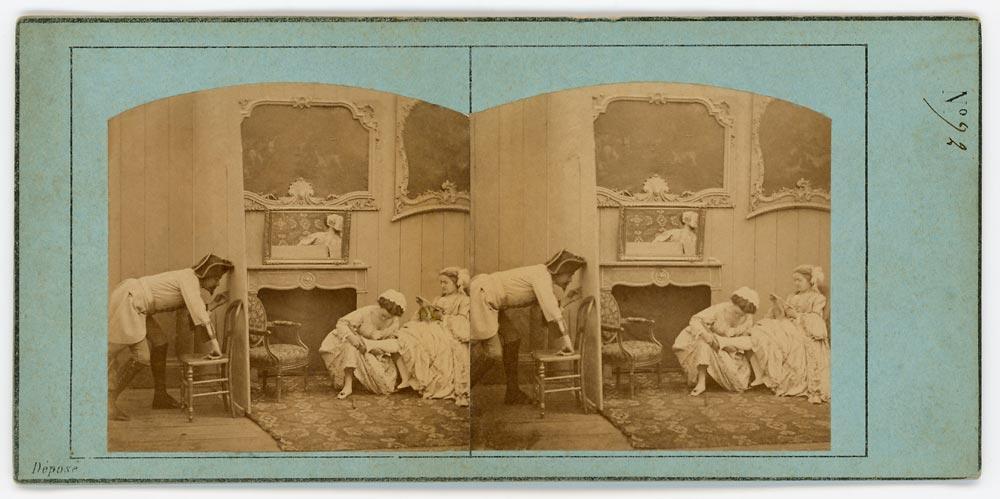
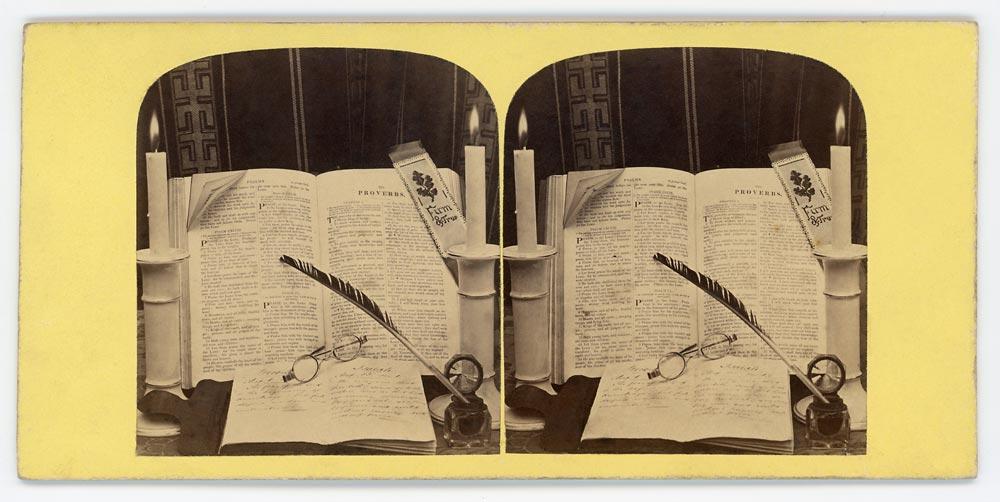
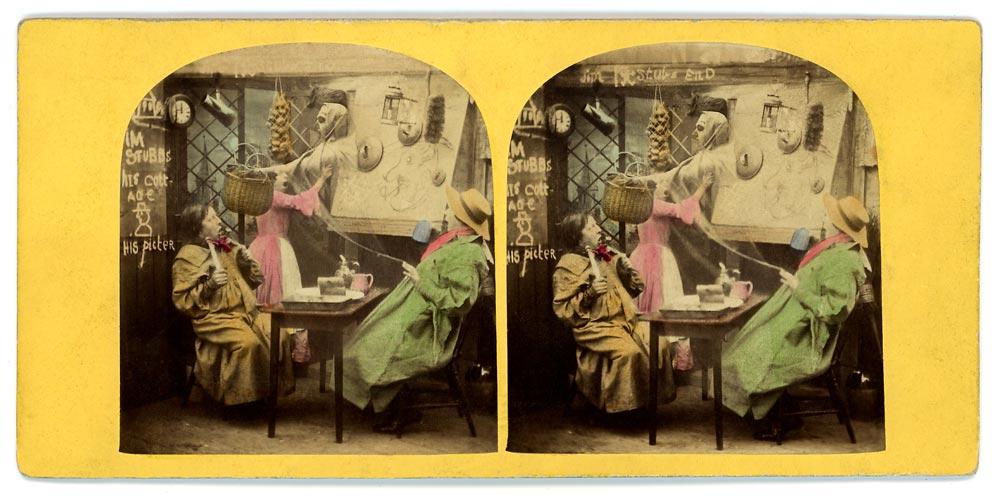
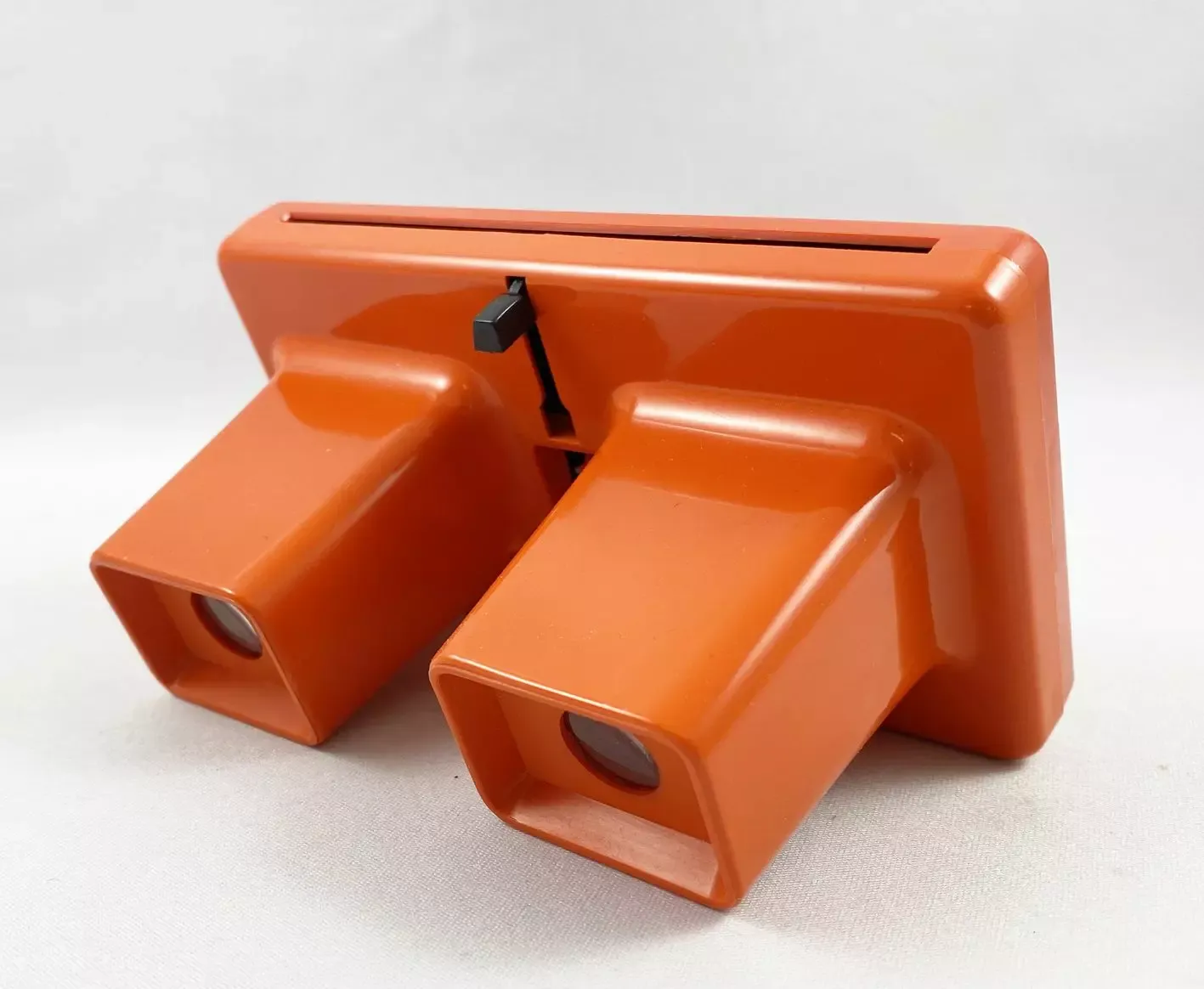
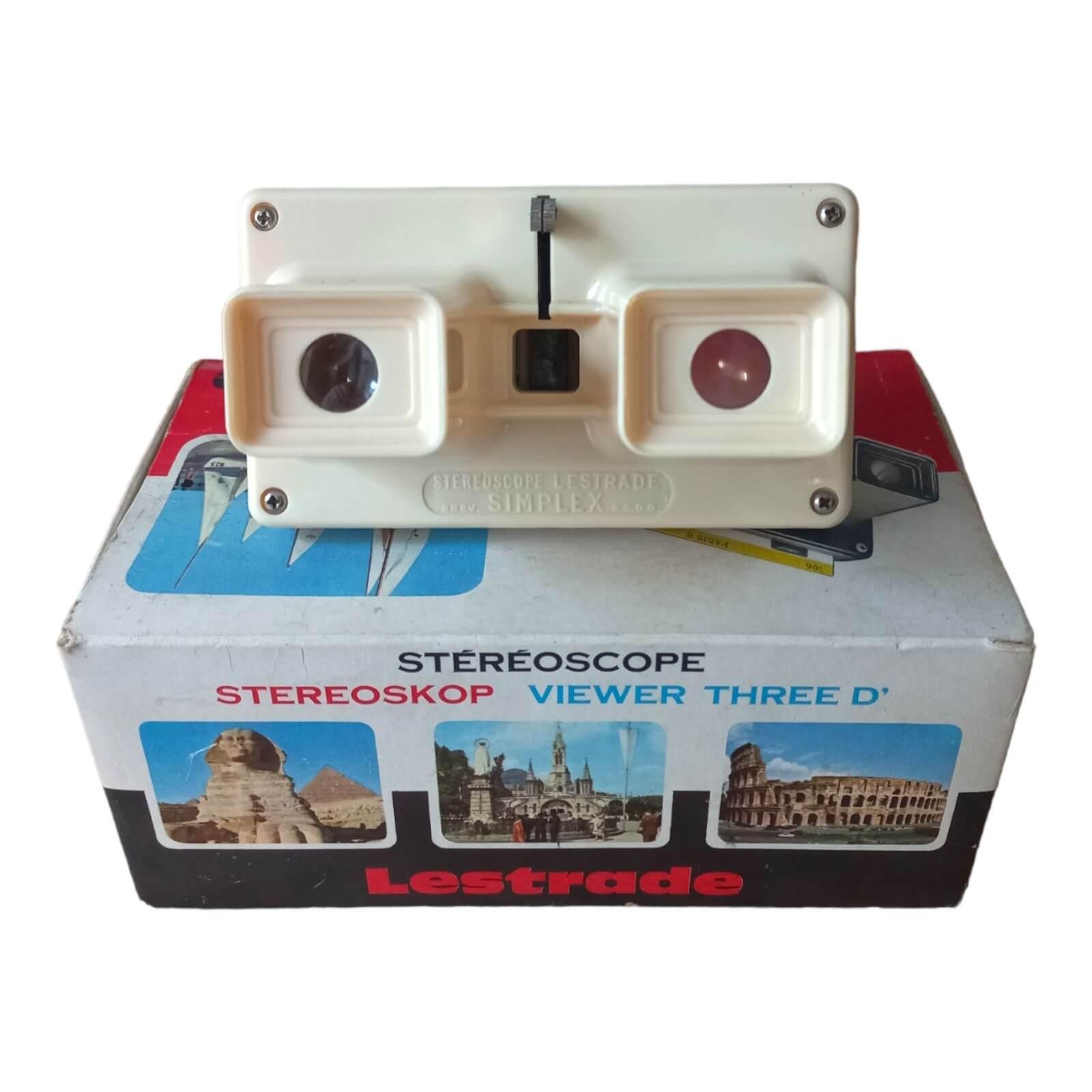
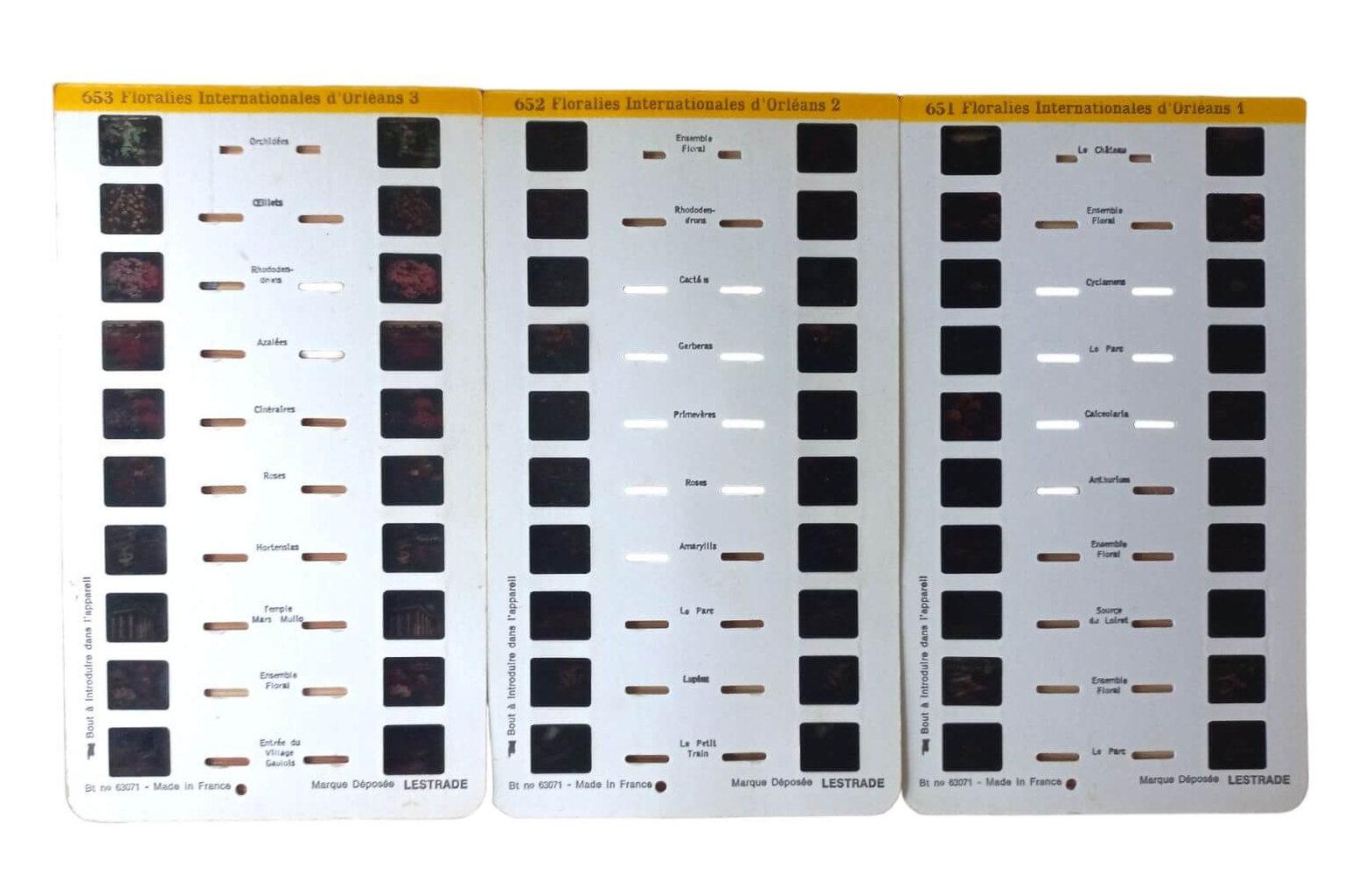
L’émerveillement est encore plus fort avec ces vieilles vues stéréoscopiques, ces paires de photographies presque mais pas tout à fait identiques qui, montées côte à côte sur un carton rigide et regardées à travers les lentilles du stéréoscope, vous donnent une miraculeuse impression de relief. Pas étonnant que le pays tout entier s’en soit entiché à une époque : les bons clichés, ceux qui sont vraiment nets, paraissent tellement réels ! Insérez un carton, faites le point et c’est un tableau du passé — auquel les trois dimensions confèrent un réalisme saisissant — qui vous saute alors à la figure.
Et pour moi, c’est là que l’envoûtement devient intense. En effet, c’est là qu’on perçoit vraiment l’instant suspendu, tellement présent que, si l’on regarde avec suffisamment d’attention, on a le sentiment que la vie fixée sur la photo va reprendre son cours. Que là, au premier plan, ce sabot de cheval incroyablement net ne peut que frapper le pavé solide, concret ; que les roues du fiacre vont se remettre à tourner, que cette jeune fille va se rapprocher et cet homme sortir peu à peu du cadre. L’impression de saisir la réalité infiniment évocatrice de cet instant évanoui, de pouvoir déceler un mouvement a priori imperceptible pourvu qu’on observe assez longtemps la scène, voilà la réponse à la question que Kate m’a posée plus d’une fois : « Comment peux-tu rester aussi longtemps sans bouger à regarder inlassablement la même photo ? »
Jack Finney, Le voyage de Simon Morley, 1993
Texte à rédiger
This gadget can change the background of a room to the place you want, such as a beautiful view or a luxurious room, by pressing the button. But only the background of the room changes, while the size of the room remains the same as the original.
Air Tubes is a 22nd-century gadget that helps the user breathe underwater.
Creates a black hole or white hole, depending upon what pen is used. The purpose of these pens is to help users avoid carrying heavy loads and getting exhausted over a long distance by storing the loads in the black hole and retrieving them to their destination through the white hole afterward.
The Blackhole Pen and Whitehole Pen are based on two astronomical phenomena, black holes and white holes, respectively; hence their names. A black hole sucks in anything close to it with its massive gravitational force, whereas a white hole pushes anything away from it, essentially the opposite of a black hole. Unlike black holes, white holes remain a theoretical concept in physics. The Blackhole Pen and Whitehole Pen practically harness the same gravitational power.
This gadget can lock any object using one of the user's body parts as a lock. It's similar to fingerprint authentication. After stamping the selected object, attach any part of your body to the stamp, and the object will be locked immediately. A locked object can only be opened by someone who made the locks.
This gadget can lock any object using one of the user's body parts as a lock. It's similar to fingerprint authentication. After stamping the selected object, attach any part of your body to the stamp, and the object will be locked immediately. A locked object can only be opened by someone who made the locks.
This gadget can lock any object using one of the user's body parts as a lock. It's similar to fingerprint authentication. After stamping the selected object, attach any part of your body to the stamp, and the object will be locked immediately. A locked object can only be opened by someone who made the locks.
This gadget can lock any object using one of the user's body parts as a lock. It's similar to fingerprint authentication. After stamping the selected object, attach any part of your body to the stamp, and the object will be locked immediately. A locked object can only be opened by someone who made the locks.
This gadget can lock any object using one of the user's body parts as a lock. It's similar to fingerprint authentication. After stamping the selected object, attach any part of your body to the stamp, and the object will be locked immediately. A locked object can only be opened by someone who made the locks.
This gadget can lock any object using one of the user's body parts as a lock. It's similar to fingerprint authentication. After stamping the selected object, attach any part of your body to the stamp, and the object will be locked immediately. A locked object can only be opened by someone who made the locks.
This gadget can lock any object using one of the user's body parts as a lock. It's similar to fingerprint authentication. After stamping the selected object, attach any part of your body to the stamp, and the object will be locked immediately. A locked object can only be opened by someone who made the locks.
This gadget can lock any object using one of the user's body parts as a lock. It's similar to fingerprint authentication. After stamping the selected object, attach any part of your body to the stamp, and the object will be locked immediately. A locked object can only be opened by someone who made the locks.